Mon - Sat 5 p.m. - 8.30 p.m.
Eye Education

Presbyopia After 40: Why Reading Gets Harder and What Helps

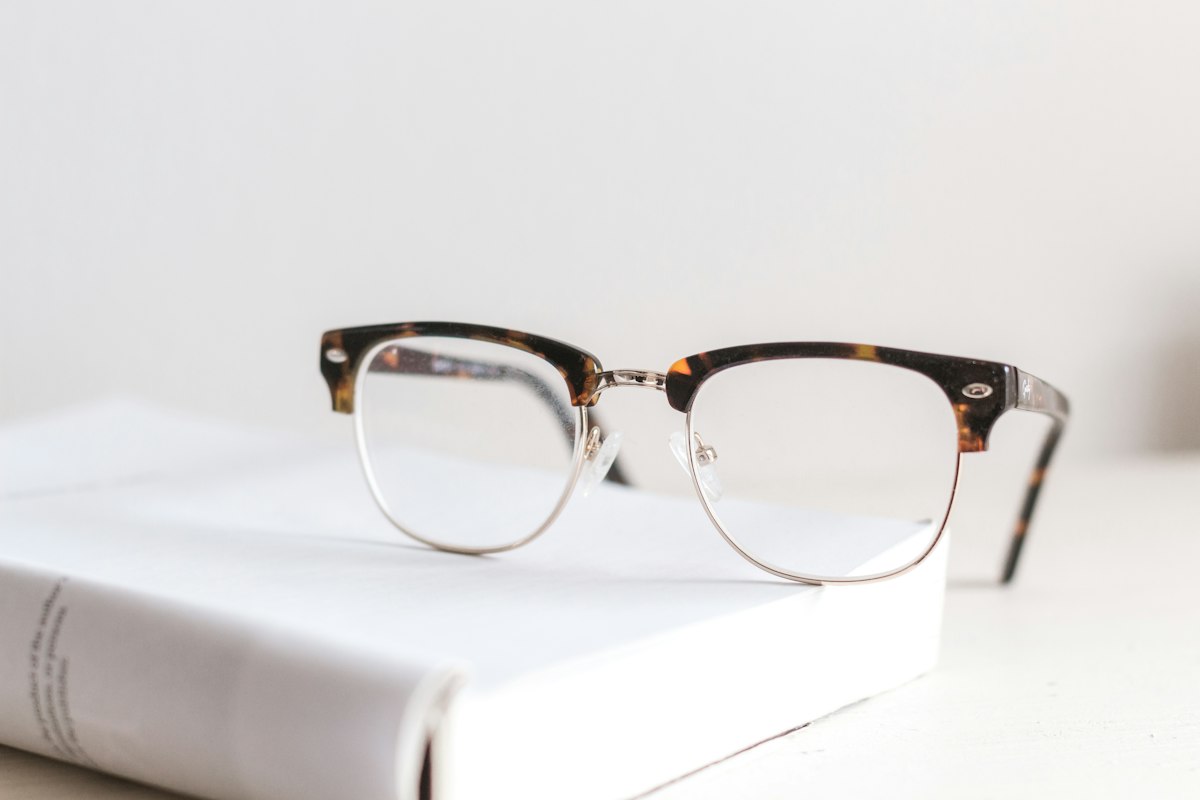
Clear eyeglasses resting on an open book
Key Takeaways (Quick Overview)

Presbyopia is the age-related loss of near focusing that usually begins around 40, as the natural lens stiffens. It is corrected with reading glasses, progressive or bifocal lenses, multifocal contact lenses or, in selected patients, surgical options after an eye examination.

What is presbyopia?

Inside the eye, the natural lens focuses by changing shape. From around age 40 it becomes less flexible, and close-up reading becomes blurry. It affects almost everyone and is not a disease.

Common signs

  • Holding books or phones further away
  • Needing brighter light to read
  • Eye strain or headaches after close work
  • Small print blurring by evening

Options

  • Reading glasses: simple, inexpensive, good for occasional near tasks.
  • Progressive or bifocal lenses: one pair for distance, intermediate and near.
  • Multifocal or monovision contact lenses: for people who prefer no spectacles.
  • Surgical options: lens-based procedures may suit some patients, especially when cataract is developing.

Get a proper examination

Do not rely on ready-made readers indefinitely. An eye exam confirms your near power and screens for other conditions such as glaucoma and cataract that also begin around this age.

Frequently asked questions

Can presbyopia be prevented?

No. It is a natural ageing change, but the right glasses restore comfortable reading.

Will my reading power keep increasing?

It usually rises gradually until the mid-sixties, then stabilises.

Are ready-made reading glasses safe?

They are fine occasionally, but they do not correct differences between the eyes or astigmatism. Have an examination.
Topics Covered:
presbyopia reading glasses after 40 progressive lenses near vision problem eye specialist Andheri West