
Dry Eye Syndrome
In short
Dry eye treatment restores stability to the tear film when the eye produces too few tears or they evaporate too quickly. Management typically combines lubricating drops, treatment of eyelid margin disease, and changes to screen habits and environment. Watering eyes are a common and counter-intuitive symptom of dry eye.
What is Dry Eye?
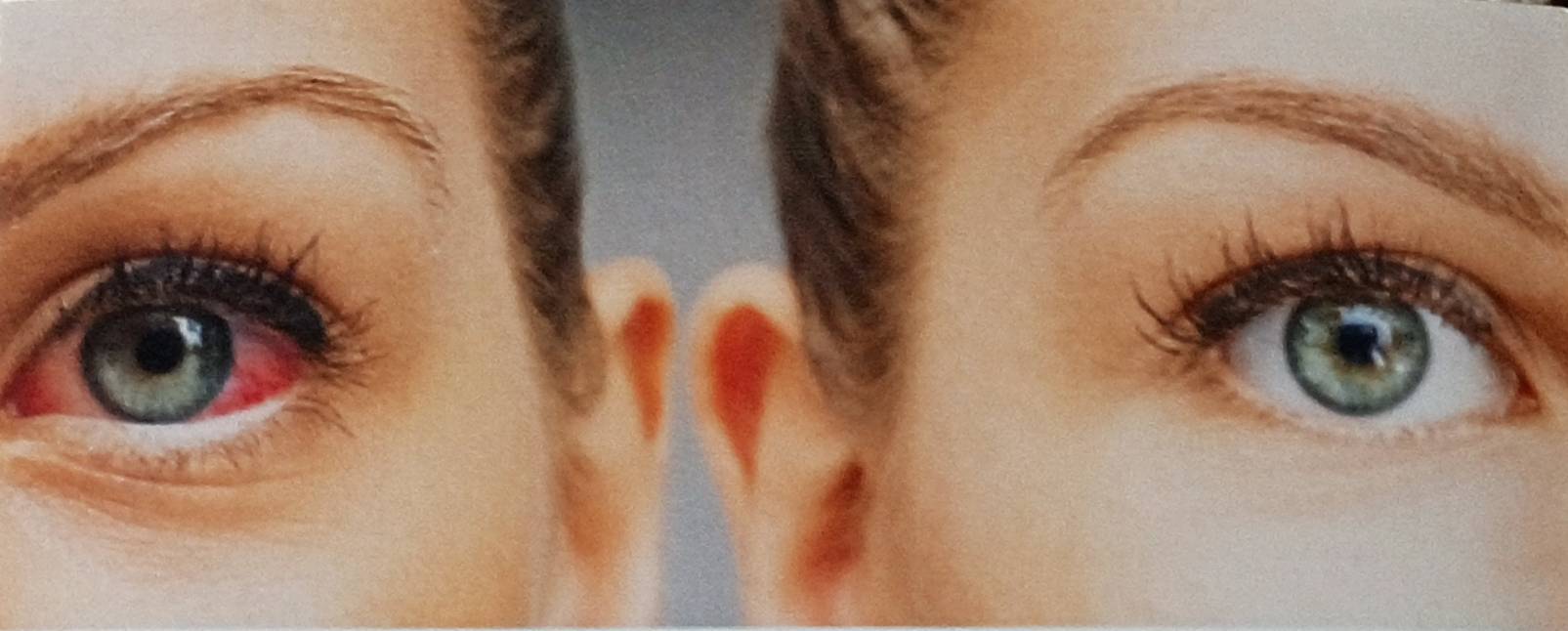
Tears help the eyes stay moist, healthy, and comfortable. Dry eye is a condition where the eyes do not produce enough tears, or the tears evaporate too quickly. This leads to insufficient lubrication, causing irritation and discomfort.
Why are Tears Important?

Tears bathe, nourish, and protect the eye surface, washing away dirt and debris. They contain proteins, electrolytes, and vitamins critical for eye health and help protect against infection.
Common Causes & Risk Factors
- Aging: Tear production naturally diminishes with age, especially during menopause.
- Computer Use: Infrequent blinking while staring at screens causes tears to evaporate faster.
- Environment: Air conditioning, fans, smoke, and dry climates dry out the eyes.
- Contact Lenses: Long-term use can disrupt the tear film.
- Medications: Antihistamines, decongestants, antidepressants, and BP medicines can reduce tears.
- Medical Conditions: Diabetes, Thyroid disease, Rheumatoid Arthritis, and Sjogren's syndrome.
- Eyelid Problems: Inflammation (Blepharitis) or incomplete closure of eyelids.

Symptoms of Dry Eye
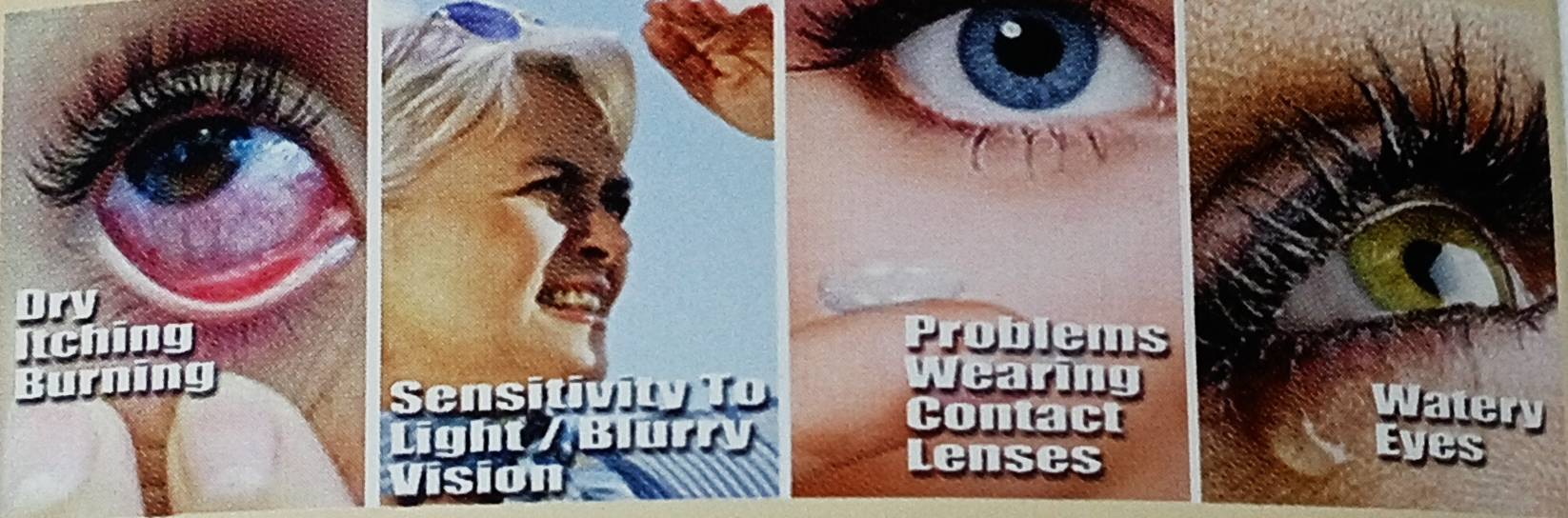
You may experience one or more of the following:
- Stinging, burning, or scratchy sensation.
- A sandy or gritty feeling (like something is in your eye).
- Episodes of excess tearing (reflex tears) following dryness.
- Stringy mucus discharge.
- Redness and eye fatigue.
- Blurred vision that clears after blinking.
- Heavy eyelids or inability to cry when stressed.
Why Treat It?
Untreated dry eye can make daily activities like reading or computer work difficult. It can decrease your tolerance for dry environments (like airplanes).
Severe cases can lead to inflammation, corneal ulcers, or scarring, potentially affecting vision. Treating dry eye is also crucial before cataract or refractive surgery to ensure good results.
Treatment Options
While often a chronic condition, symptoms can be managed effectively:
Common Questions about Dry Eyes
- Blink More: Especially when using screens.
- 20-20-20 Rule: Every 20 mins, look 20 feet away for 20 seconds.
- Stay Hydrated: Drink plenty of water.
- Use a Humidifier: Adds moisture to indoor air.
- Avoid Air Blasts: Don't let fans or AC vents blow directly on your face.
Yes. Studies suggest that a diet rich in Omega-3 fatty acids (found in fish, flaxseed, walnuts) can help improve the quality of the oil layer in tears, reducing evaporation.
Dry eye is usually a chronic condition that is managed rather than cured. However, with consistent treatment and lifestyle changes, most patients experience significant relief and can maintain good eye health.
Ask us about Dry Eye Treatment
OPD runs Mon - Sat 5 p.m. - 8.30 p.m. (closed Sunday). Call or WhatsApp us and our front desk will help you. Cashless mediclaim and TPA empanelment available.
Dry Eye Treatment near you
Travelling in from one of these areas? Each page covers the route, the timing and what to expect.
- Dry Eye Treatment in Four Bungalows — a few minutes along J.P. Road; the closest catchment area to our centre
- See every area we serve
Sources and further reading
This page is for general information and does not replace a consultation. Your own examination findings determine what is right for your eyes.