
Why diet matters for your eyes
The retina is one of the most metabolically active tissues in the body, and the tear film that protects the front of the eye depends on healthy fats. A balanced diet will not fix a cataract or glaucoma, but it supports the tissues that keep vision comfortable and may lower the risk of some age-related changes.
Foods worth adding
- Leafy greens such as spinach, methi and amaranth contain lutein and zeaxanthin, pigments concentrated in the macula.
- Oily fish, walnuts and flaxseed provide omega-3 fats that help the oil layer of the tear film.
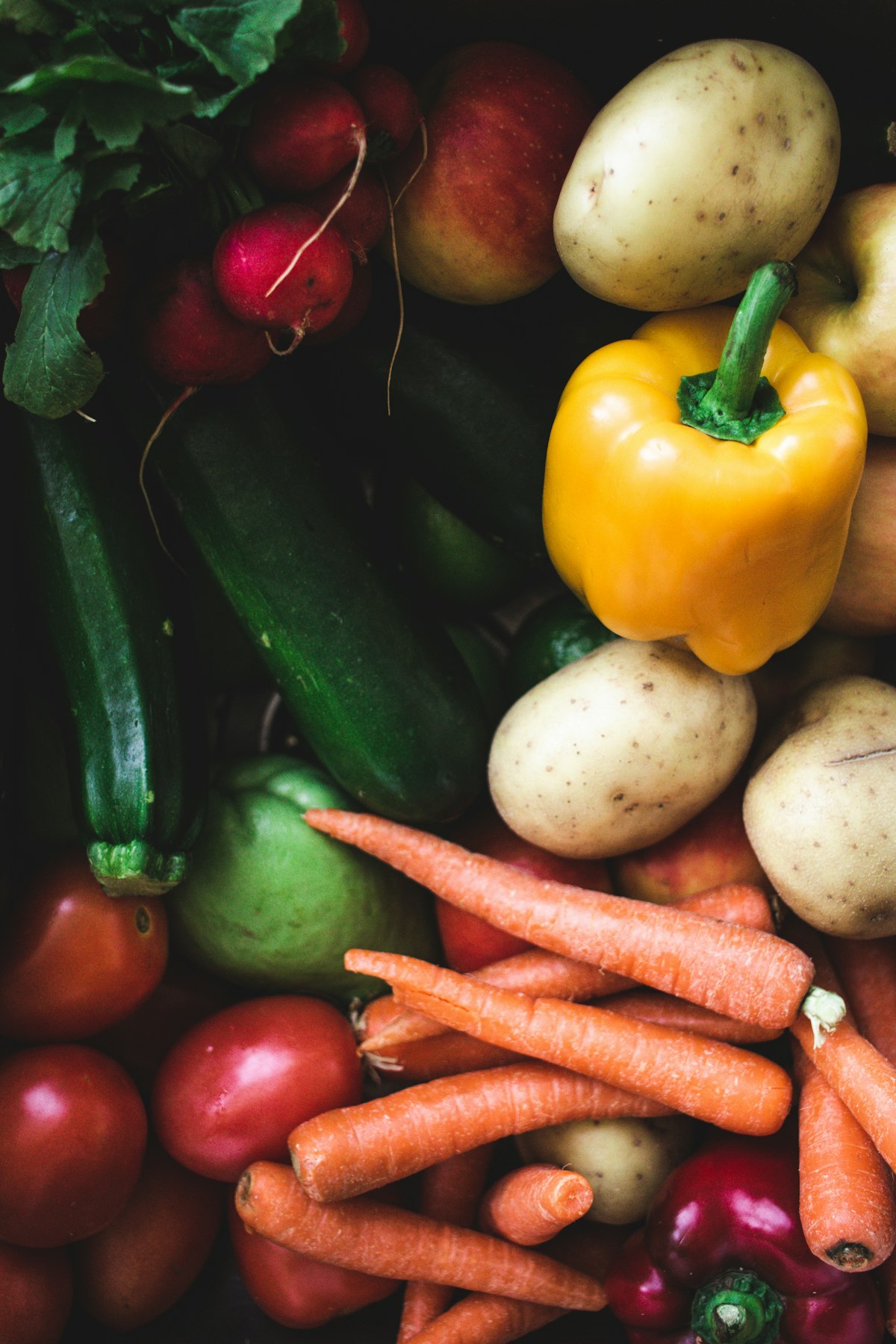
- Orange and yellow produce such as carrots, papaya and pumpkin supply beta-carotene, which the body converts to vitamin A.
- Citrus fruit, amla and guava are rich in vitamin C.
- Eggs, almonds and sunflower seeds add vitamin E, zinc and lutein.
What food cannot do
Vitamin A deficiency is a real cause of night blindness, but for most people eating well does not reverse refractive error, cataract or glaucoma. Supplements should only be taken on medical advice, as high doses of some vitamins can be harmful.
Do not skip the eye check-up
Many serious eye conditions, including glaucoma and diabetic retinopathy, cause no early symptoms. Pair good nutrition with a comprehensive eye examination at least once a year after 40, or earlier if you have diabetes or a family history of eye disease.