
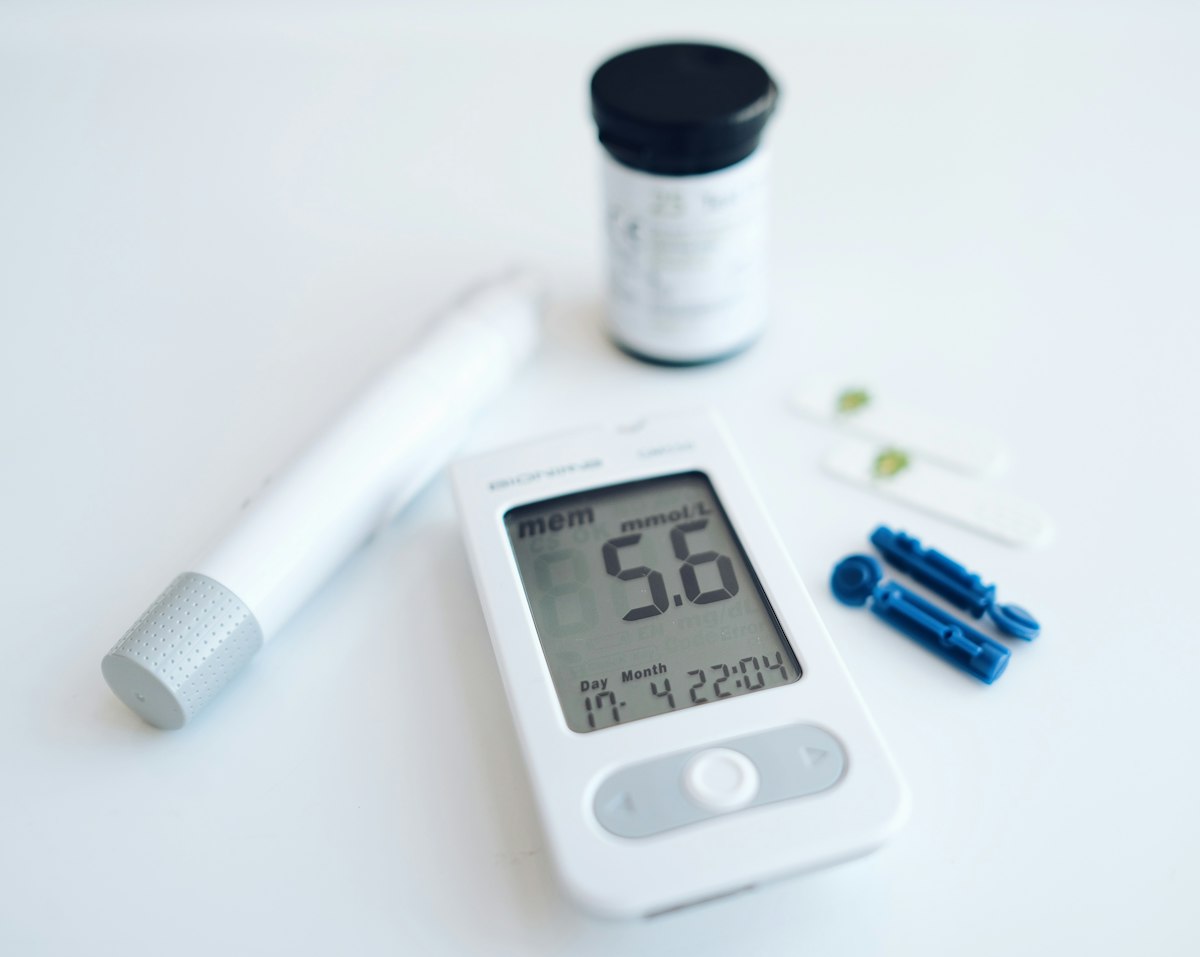
World Diabetes Day falls on Saturday, 14 November 2026. Most people with diabetes know to watch their sugar levels and their feet, but far fewer have had a proper retina check in the last year. Your vision may feel perfect while damage is quietly under way.
Why diabetes affects the eyes
Long-standing high blood sugar damages the tiny blood vessels of the retina, the light-sensing layer at the back of the eye. Those vessels can leak, close off or be replaced by fragile new vessels that bleed. This is diabetic retinopathy. According to the US National Eye Institute, its early stages usually have no symptoms.
How common is it in India?
Experts speaking at a World Diabetes Day event, reported by The Tribune, said that diabetic retinopathy affects nearly one in three people with diabetes, and put the number of people with diabetes in India at more than 101 million. Estimates vary from study to study, but the message does not: this is common, and it is easy to miss.
What the eye check involves
- Vision and history: how long you have had diabetes, your recent HbA1c, blood pressure and any symptoms.
- Dilating drops: these widen the pupil so the doctor can see the retina. Near vision stays blurred for a few hours, so bring someone with you.
- Retina examination: often with fundus photography to keep a record.
- OCT scan where needed: a painless scan that shows swelling in the central retina.
How often should you go?
The National Eye Institute advises a comprehensive dilated eye exam at least once a year. Indian guidance also calls for regular screening of everyone with diabetes. Your doctor may ask you to come sooner if retinopathy has been found. If you are pregnant and diabetic, tell your doctor early, as retinopathy can progress faster during pregnancy.
Symptoms that need prompt attention
See a doctor quickly for new floaters, blurred or patchy vision, a dark curtain across your vision, or sudden loss of sight.
Treatment works best early
Good control of sugar, blood pressure and cholesterol is the base of treatment. Depending on the stage, your doctor may discuss intravitreal injections or retinal laser. These treatments aim to protect the vision you have, which is why finding the disease before it affects your sight matters so much.
Getting checked in Andheri West
Divyajyoti Eye Hospital is at Jyoti Apartment, Ground Floor, opposite the 7 Bungalows Bus Depot, J.P. Road, Andheri (West), Mumbai 400053. The OPD runs Monday to Saturday, 5:00 PM to 8:30 PM, and is closed on Sunday. Call +91-7777018301 or +91-88505 65588, or send an enquiry through our contact page.