
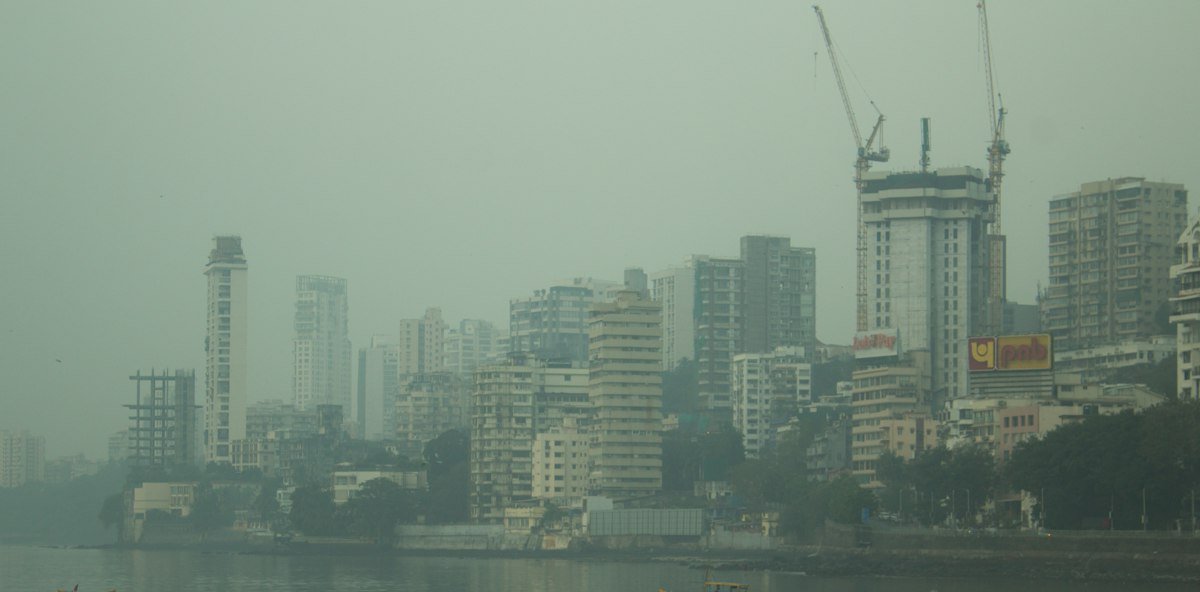
As the air gets hazier from October onwards, many people in Mumbai notice the same complaints: eyes that feel dry, itchy, gritty or watery by evening. Your eyes are in direct contact with the air around you, so this should not be surprising.
What the research says
Studies from several cities have examined the link between pollutants and dry eye. In a time-series study from Wuhan, China, each 10 microgram per cubic metre rise in nitrogen dioxide was associated with about a 3% rise in outpatient visits for dry eye, and the link was stronger in cold seasons. Reviews of the wider evidence describe irritation and instability of the tear film. Results differ between pollutants and cities, and most of this research was not done in India, so treat it as a useful signal rather than an exact measure for Mumbai.
Protecting your eyes on hazy days
- Wear wrap-around sunglasses outdoors, especially on two-wheelers and during long commutes.
- Do not rub your eyes. Rubbing adds irritation and can transfer germs from your hands.
- Wash your hands and face when you get home, and rinse closed eyelids gently with clean water if they feel gritty.
- Keep windows closed during peak haze, and use an air purifier indoors if you have one.
- Blink often and take screen breaks. Long screen hours reduce blinking and compound the dryness. Our 20-20-20 guide explains how.
- Contact lens wearers: switch to glasses when your eyes are red or irritated, and follow lens hygiene strictly.
Which drops are safe?
Lubricating drops may give comfort, and your doctor can advise a suitable one, particularly a preservative-free type if you need them often. Avoid "redness relief" drops, old bottles and any steroid drop unless an ophthalmologist has prescribed it, since steroids can raise eye pressure and worsen some infections.
When to see an eye doctor
Book an examination if symptoms last more than a few days despite these steps, or if you have pain, reduced vision, sensitivity to light, or thick discharge. Persistent symptoms may be dry eye disease, allergy or infection, and each is treated differently.
Getting checked in Andheri West
Divyajyoti Eye Hospital is at Jyoti Apartment, Ground Floor, opposite the 7 Bungalows Bus Depot, J.P. Road, Andheri (West), Mumbai 400053. The OPD runs Monday to Saturday, 5:00 PM to 8:30 PM, and is closed on Sunday. Call +91-7777018301 or +91-88505 65588, or send an enquiry through our contact page.